Diploma in Optometry Technology
Unit Overview
The Diploma in Optometry Technology prepares learners to work in eye care services, supporting the diagnosis, treatment, and management of common vision problems. In Kenya today, many people experience eye-related conditions such as short-sightedness, long-sightedness, infections, and age-related vision challenges — and trained eye care professionals are in high demand across both public and private health facilities.
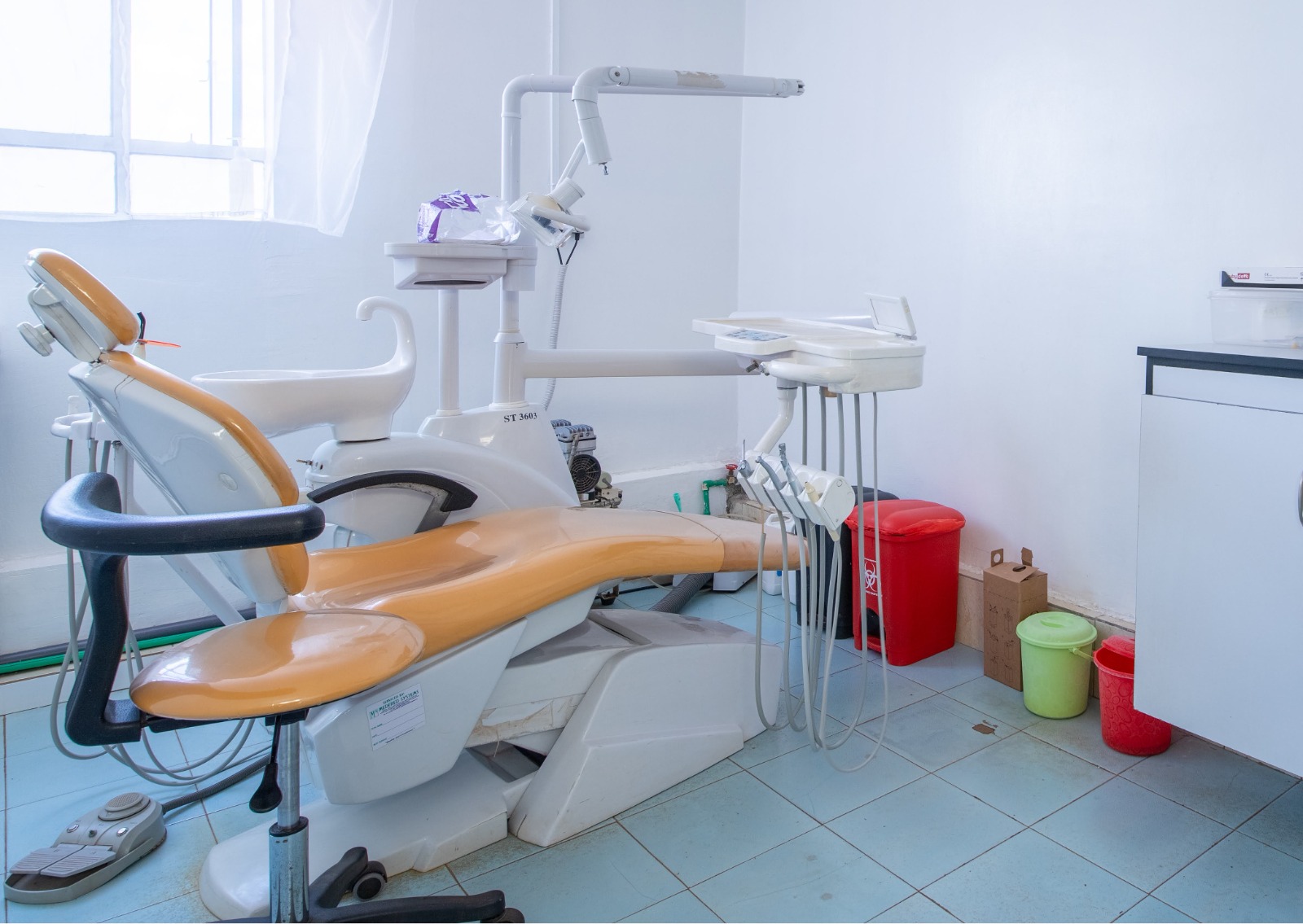
At St. Mary’s, this course is delivered in a way that connects classroom learning with real clinical practice. You are introduced to how eye clinics operate, how patients are assessed, and how basic eye examinations are carried out. Over time, you learn how to support optometrists in delivering accurate and efficient eye care services.
The training is grounded in the TVET CDACC competency-based curriculum, meaning you are not only learning theory but also developing practical skills through demonstrations, supervised practice, and clinical exposure. The focus is on your ability to competently perform eye care procedures in a real healthcare environment.
This program is suitable for students who are detail-oriented, interested in healthcare technology, and comfortable working closely with patients in clinical settings.
Unit Objectives
By the end of this unit, students will be able to:
- Equip learners with practical skills in eye care and vision assessment
- Develop competence in basic optometric procedures and patient handling
- Train learners to support diagnosis and management of common eye conditions
- Promote professional and ethical practice in eye care services
- Prepare learners for technical roles in optical and clinical eye care settings
Unit Content
Key areas of study include:
- Introduction to optometry and eye anatomy
- Ocular anatomy and physiology
- Basic optics and refraction principles
- Vision screening and testing techniques
- Use of optometric instruments and equipment
- Identification of common eye conditions
- Dispensing and fitting of corrective lenses (basic level)
- Patient care and communication skills
- Infection prevention and clinical safety
- Industrial attachment / clinical practice in eye clinics
Career Opportunities
Graduates can work in:
- Eye clinics and optical centres
- Hospitals (eye departments)
- Vision care and optical shops
- NGOs involved in eye health programs
Entry Requirements
KCSE Mean Grade C- (Minus) or Relevant Level 5 qualification in health or science-related field
Duration of the Unit
Diploma: 1 - 2 years
Why Study This Unit?
- A clinical and technical healthcare program
- A direct pathway into eye care services in Kenya
- A practical, hands-on CDACC competency-based qualification
- A field with growing demand due to increased vision-related conditions