Certificate in Biomedical Engineering
Unit Overview
Biomedical Engineering sits at the point where healthcare meets technology. In any modern hospital today, patient care depends heavily on machines — from monitors and infusion pumps to diagnostic equipment and life-support systems. This course prepares you to understand, maintain, and manage that equipment so that healthcare services run safely and without interruption.
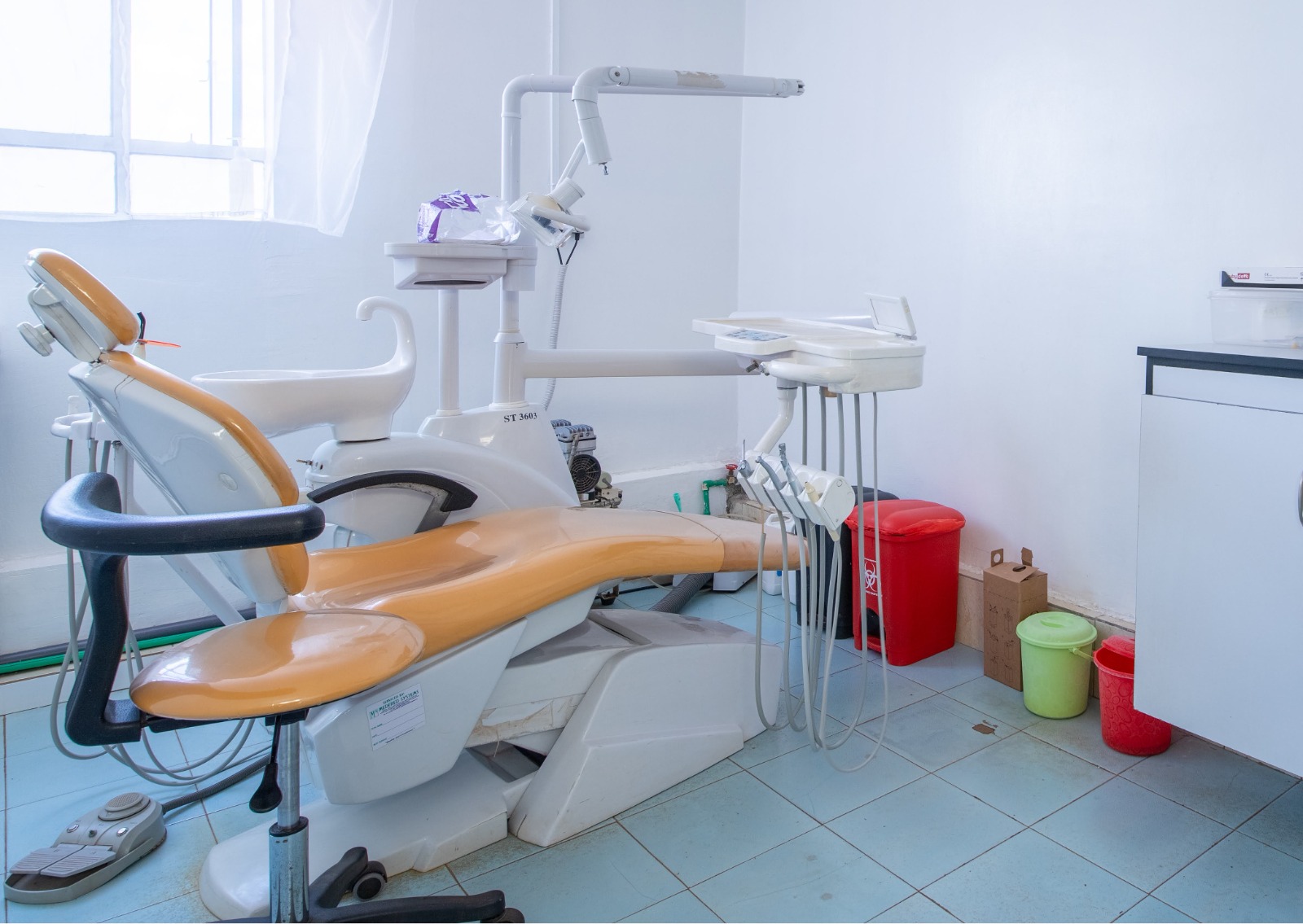
At St. Mary’s, the training is built around real hospital exposure. You don’t just learn how machines work in theory — you see how they are used in wards, theatres, maternity, and laboratory settings. Over time, you begin to understand not just the equipment itself, but the environment in which it operates and the risks involved if it fails.
The program follows the TVET CDACC competency-based model, meaning the focus is on what you can actually do. You are trained step by step to install, troubleshoot, maintain, and document biomedical equipment. Assessment is practical, and by the time you complete the course, you are expected to handle tasks with minimal supervision.
This diploma is suitable for students who are interested in technical work within healthcare, especially those who enjoy electronics, problem-solving, and hands-on work. It also provides a clear pathway for growth into specialized engineering or advanced technical roles.
Unit Objectives
By the end of this unit, students will be able to:
- Develop competence in installation, maintenance, and repair of biomedical equipment
- Build understanding of hospital systems and medical device usage
- Equip learners with troubleshooting and fault diagnosis skills
- Promote safety standards and regulatory compliance in handling medical equipment
- Prepare learners for technical roles within healthcare facilities
Unit Content
Key areas of study include:
- Fundamentals of biomedical engineering
- Electrical and electronic principles
- Medical equipment operation and maintenance
- Diagnostic and imaging equipment basics
- Preventive maintenance and calibration
- Fault diagnosis and repair techniques
- Health facility systems (theatre, ICU, lab equipment)
- Workplace safety and infection control
- Technical documentation and reporting
Career Opportunities
Graduates can work in:
- Hospitals and healthcare facilities
- Medical equipment supply companies
- Maintenance and service firms
- NGOs and health programs
- Government health institutions
Entry Requirements
Certificate: KCSE mean grade D (plain) and above
Duration of the Unit
Certificate: 6 months - 1 year
Why Study This Unit?
- High market demand
- Hands-on practical learning
- Pathway to further professional growth